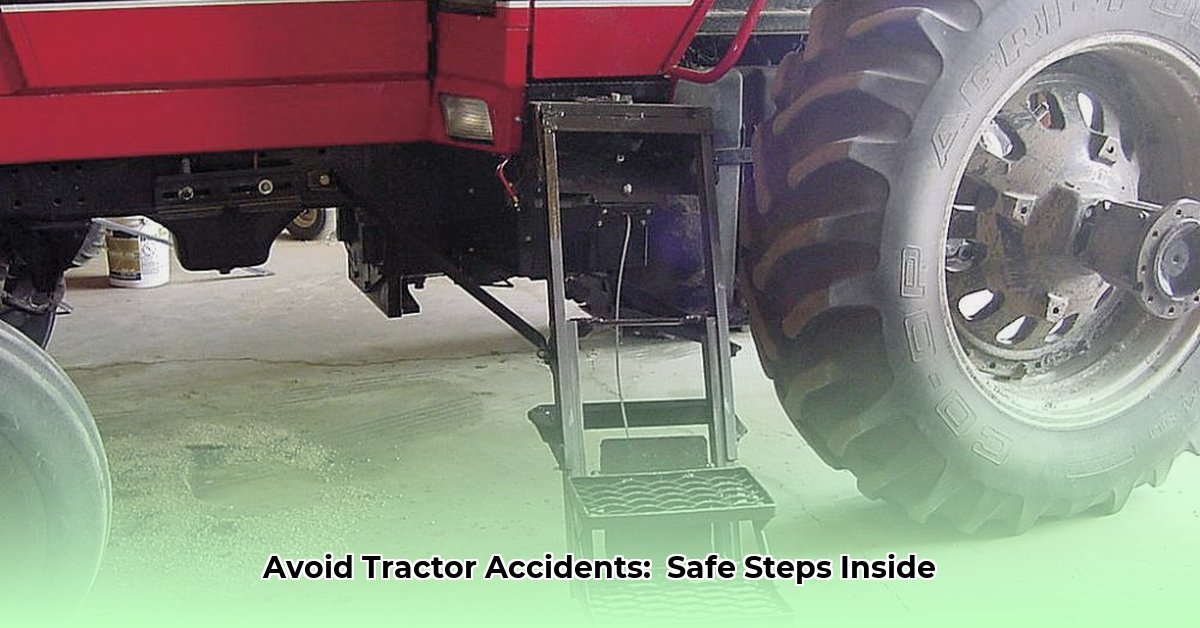
Tractor Steps: Enhancing Farm Safety and Efficiency
Getting on and off your tractor shouldn't be a hazardous activity. Many farmers face the daily challenge of accessing their tractors, often using inadequate or worn steps. This not only impacts efficiency but also significantly increases the risk of serious injury. This guide will provide a step-by-step approach to selecting, installing, and maintaining aftermarket tractor steps and handrails, significantly enhancing safety on your farm. The lack of standardized designs highlights the need for proactive safety upgrades. For more universal solutions, check out this resource.
The Critical Importance of Safe Tractor Access
Think about your daily routine. How many times do you climb on and off your tractor? Every time you do, you're taking a risk. While precise statistics on tractor-related falls are scarce, the potential consequences are significant. A fall, even a minor one, can result in sprains, broken bones, or more serious head injuries. Beyond the personal cost, consider lost workdays, impacting your farm's productivity and potentially increasing insurance premiums. Investing in robust tractor steps is a cost-effective way to mitigate these risks and protect your most valuable asset—yourself. Isn't your safety worth it?
Types of Tractor Steps and Handrails: A Comprehensive Overview
Choosing the right tractor steps involves considering several factors. The market offers various options with differing materials, mounting methods, and features. Careful selection is key to maximizing safety and longevity.
1. Steel Steps:
- Material: Robust steel construction.
- Mounting: Typically bolt-on, some weld-on options.
- Pros: Durable, relatively inexpensive, often easy to install.
- Cons: Prone to rust if not properly maintained, can be heavy.
- Price Range: $50-$200
2. Aluminum Steps:
- Material: Lightweight aluminum.
- Mounting: Mostly bolt-on.
- Pros: Rust-resistant, lightweight, easier handling during installation.
- Cons: Can be more expensive than steel, potentially less durable in extreme conditions.
- Price Range: $100-$300
3. Integrated Handrails:
- Material: Steel or aluminum, often integrated with steps.
- Mounting: Varies depending on the design and step type.
- Pros: Significantly improve stability and balance during access.
- Cons: Can be more complex to install, might increase the overall cost.
- Price Range: $150-$400
[Image showing examples of each type of step would be inserted here]
Always verify compatibility with your specific tractor model before purchasing.
Selecting the Optimal Tractor Steps: A Decision Matrix
Choosing the best tractor steps requires a balanced approach. This decision matrix helps you weigh the pros and cons:
| Feature | Steel | Aluminum | Cost | Installation Ease | Durability |
|---|---|---|---|---|---|
| Cost | Low | High | $50-$300 | Easy to Difficult | Medium-High |
| Weight | Heavy | Light | |||
| Rust Resistance | Low | High | |||
| Installation Ease | Easier | Varies | |||
| Compatibility | Wide | Wide |
Reputable suppliers include Tractor Seats (https://www.tractorseats.com/c-43-steps-handrails.aspx) and Sloanex.
Installing Bolt-On Tractor Steps: A Practical Guide
This section outlines a general installation procedure. Always consult your specific kit's instructions for detailed guidance.
Step 1: Preparation: Gather necessary tools (wrench, socket set, drill, etc.). Clean the tractor's mounting area thoroughly.
Step 2: Mounting bracket placement: Carefully position the step brackets on the tractor frame, ensuring proper alignment.
Step 3: Secure Attachment: Use the provided hardware to firmly attach the brackets to the tractor frame. Tighten all bolts securely and evenly.
Step 4: Testing: Test the steps thoroughly before use. Ensure they are securely mounted and provide stable access.
[Images or a short video demonstrating each step would be included here]
If you lack the necessary skills or confidence, seek assistance from a qualified mechanic.
Maintaining Tractor Steps: Ensuring Long-Term Safety
Regular inspection is crucial. Check steps for loose bolts, rust, damage, or wear. Replace any damaged components immediately. Keep the steps clean and clear of debris to maintain traction and prevent slips. Proactive maintenance ensures continued safety and minimizes the risk of accidents.
The Future of Tractor Access: A Look Ahead
While aftermarket solutions currently fill the gap, the industry is moving toward improved standardization and safer factory-installed access points. This trend should lead to enhanced safety and a more comfortable user experience in the years to come. However, upgrading existing tractors remains an immediate and vital step in bolstering farm safety.